Introduction
Flamenco rewards close attention. What may first appear to be powerful footwork or dramatic gesture is part of a detailed exchange among voice, guitar, dance, rhythm and silence. This article explores a beginner’s guide to flamenco: cante, baile, toque and compás for students, audiences and organisers who want practical guidance without separating the art from its cultural roots. A useful starting point is a concise introduction to what flamenco is.
Flamenco developed through communities in southern Spain, particularly Andalusia, with the Gitano community playing an essential role in its evolution and transmission. Today it is practised internationally, including in Melbourne. Learning abroad can be both serious and generous when students credit origins, listen widely, study the music and treat visiting and local artists as cultural practitioners rather than providers of exotic decoration.
1. Flamenco is a shared musical conversation
A useful way to approach flamenco is a shared musical conversation is to slow the material down without removing its musical character. Listen for the relationship among cante, guitar, dance, palmas and silence. Each element has its own technique, yet flamenco becomes convincing when those techniques serve a shared form and emotional direction. Progress can feel gradual, but consistent musical understanding is more durable than a quickly memorised effect.
To explore flamenco is a shared musical conversation in practice, Choose one recording and identify the singer, guitarist, dancer if present, palmas and moments of silence. Write down what changes when a new element enters.
2. Cante: the voice at the centre
Cante: the voice at the centre is not simply a decorative detail; it affects how performers listen, respond and shape the compás. Listen for the relationship among cante, guitar, dance, palmas and silence. Each element has its own technique, yet flamenco becomes convincing when those techniques serve a shared form and emotional direction. Ask what the choice contributes to the ensemble, because flamenco communication matters more than individual display.
To explore cante: the voice at the centre in practice, Choose one recording and identify the singer, guitarist, dancer if present, palmas and moments of silence. Write down what changes when a new element enters.
3. Baile: movement shaped by music
For learners and audiences, baile: movement shaped by music offers a practical doorway into flamenco’s larger musical conversation. Listen for the relationship among cante, guitar, dance, palmas and silence. Each element has its own technique, yet flamenco becomes convincing when those techniques serve a shared form and emotional direction. Practise or observe one element at a time, then return it to the whole and notice how its function changes.
To explore baile: movement shaped by music in practice, Choose one recording and identify the singer, guitarist, dancer if present, palmas and moments of silence. Write down what changes when a new element enters.
4. Toque: guitar as partner and guide
Toque: guitar as partner and guide becomes clearer when it is connected to sound, rhythm and intention rather than treated as an isolated rule. Listen for the relationship among cante, guitar, dance, palmas and silence. Each element has its own technique, yet flamenco becomes convincing when those techniques serve a shared form and emotional direction. Avoid rushing to imitate the surface; careful listening usually reveals the structure that makes the detail meaningful.
To explore toque: guitar as partner and guide in practice, Choose one recording and identify the singer, guitarist, dancer if present, palmas and moments of silence. Write down what changes when a new element enters.
5. Compás: the rhythmic framework
A useful way to approach compás: the rhythmic framework is to slow the material down without removing its musical character. Listen for the relationship among cante, guitar, dance, palmas and silence. Each element has its own technique, yet flamenco becomes convincing when those techniques serve a shared form and emotional direction. Progress can feel gradual, but consistent musical understanding is more durable than a quickly memorised effect.
To explore compás: the rhythmic framework in practice, Choose one recording and identify the singer, guitarist, dancer if present, palmas and moments of silence. Write down what changes when a new element enters.
6. Palmas: handclaps with a purpose
Palmas: handclaps with a purpose is not simply a decorative detail; it affects how performers listen, respond and shape the compás. Listen for the relationship among cante, guitar, dance, palmas and silence. Each element has its own technique, yet flamenco becomes convincing when those techniques serve a shared form and emotional direction. Ask what the choice contributes to the ensemble, because flamenco communication matters more than individual display.
To explore palmas: handclaps with a purpose in practice, Choose one recording and identify the singer, guitarist, dancer if present, palmas and moments of silence. Write down what changes when a new element enters.
7. Jaleo: encouragement and communication
For learners and audiences, jaleo: encouragement and communication offers a practical doorway into flamenco’s larger musical conversation. Listen for the relationship among cante, guitar, dance, palmas and silence. Each element has its own technique, yet flamenco becomes convincing when those techniques serve a shared form and emotional direction. Practise or observe one element at a time, then return it to the whole and notice how its function changes.
To explore jaleo: encouragement and communication in practice, Choose one recording and identify the singer, guitarist, dancer if present, palmas and moments of silence. Write down what changes when a new element enters.
8. The meaning of a palo
The meaning of a palo becomes clearer when it is connected to sound, rhythm and intention rather than treated as an isolated rule. Listen for the relationship among cante, guitar, dance, palmas and silence. Each element has its own technique, yet flamenco becomes convincing when those techniques serve a shared form and emotional direction. Avoid rushing to imitate the surface; careful listening usually reveals the structure that makes the detail meaningful.
To explore the meaning of a palo in practice, Choose one recording and identify the singer, guitarist, dancer if present, palmas and moments of silence. Write down what changes when a new element enters.
9. Structure matters more than memorised steps
A useful way to approach structure matters more than memorised steps is to slow the material down without removing its musical character. Listen for the relationship among cante, guitar, dance, palmas and silence. Each element has its own technique, yet flamenco becomes convincing when those techniques serve a shared form and emotional direction. Progress can feel gradual, but consistent musical understanding is more durable than a quickly memorised effect.
To explore structure matters more than memorised steps in practice, Choose one recording and identify the singer, guitarist, dancer if present, palmas and moments of silence. Write down what changes when a new element enters.
10. Improvisation rests on knowledge
Improvisation rests on knowledge is not simply a decorative detail; it affects how performers listen, respond and shape the compás. Listen for the relationship among cante, guitar, dance, palmas and silence. Each element has its own technique, yet flamenco becomes convincing when those techniques serve a shared form and emotional direction. Ask what the choice contributes to the ensemble, because flamenco communication matters more than individual display.
To explore improvisation rests on knowledge in practice, Choose one recording and identify the singer, guitarist, dancer if present, palmas and moments of silence. Write down what changes when a new element enters.
11. Respecting Andalusian and Gitano roots
For learners and audiences, respecting andalusian and gitano roots offers a practical doorway into flamenco’s larger musical conversation. Listen for the relationship among cante, guitar, dance, palmas and silence. Each element has its own technique, yet flamenco becomes convincing when those techniques serve a shared form and emotional direction. Practise or observe one element at a time, then return it to the whole and notice how its function changes.
To explore respecting andalusian and gitano roots in practice, Choose one recording and identify the singer, guitarist, dancer if present, palmas and moments of silence. Write down what changes when a new element enters.
12. How to begin learning in Melbourne
How to begin learning in Melbourne becomes clearer when it is connected to sound, rhythm and intention rather than treated as an isolated rule. Listen for the relationship among cante, guitar, dance, palmas and silence. Each element has its own technique, yet flamenco becomes convincing when those techniques serve a shared form and emotional direction. Avoid rushing to imitate the surface; careful listening usually reveals the structure that makes the detail meaningful.
To explore how to begin learning in melbourne in practice, Choose one recording and identify the singer, guitarist, dancer if present, palmas and moments of silence. Write down what changes when a new element enters.
Bringing the Ideas Together
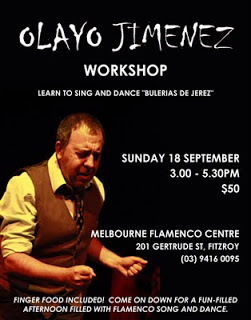
Choose one idea to listen for, one to practise and one to discuss with a teacher or fellow enthusiast. Keep the scope small enough that the musical result can be noticed. Related context is available in a flamenco singing workshop. Returning regularly to live performance and cante helps prevent technique from becoming disconnected from the ensemble language it is meant to serve.
Authority Resources
For reliable cultural and institutional background, consult UNESCO’s description of flamenco and Spain’s official flamenco overview. These sources complement, rather than replace, direct learning from experienced flamenco artists and communities.
Conclusion
The most useful way to understand a beginner’s guide to flamenco: cante, baile, toque and compás is through repeated listening, patient practice and respectful participation. Technique matters, but it becomes flamenco through compás, structure, communication and expressive purpose. Melbourne learners and audiences can help the local scene grow by supporting artists, approaching the culture with humility and keeping cante, baile and toque connected.…